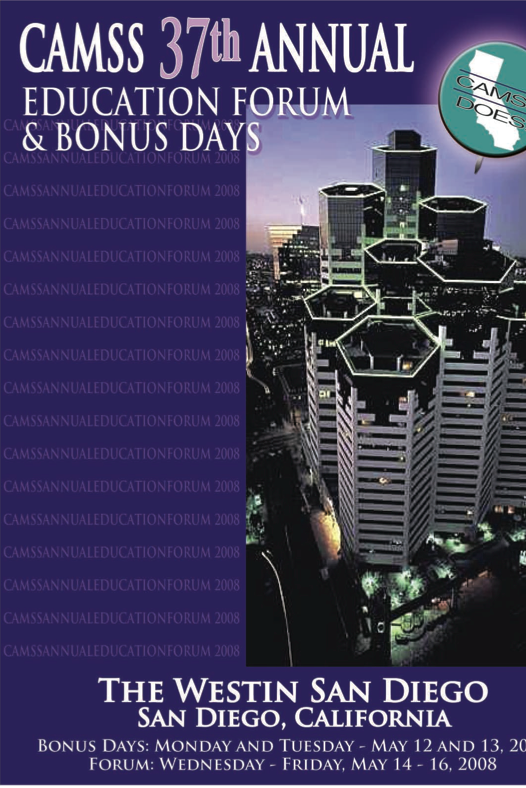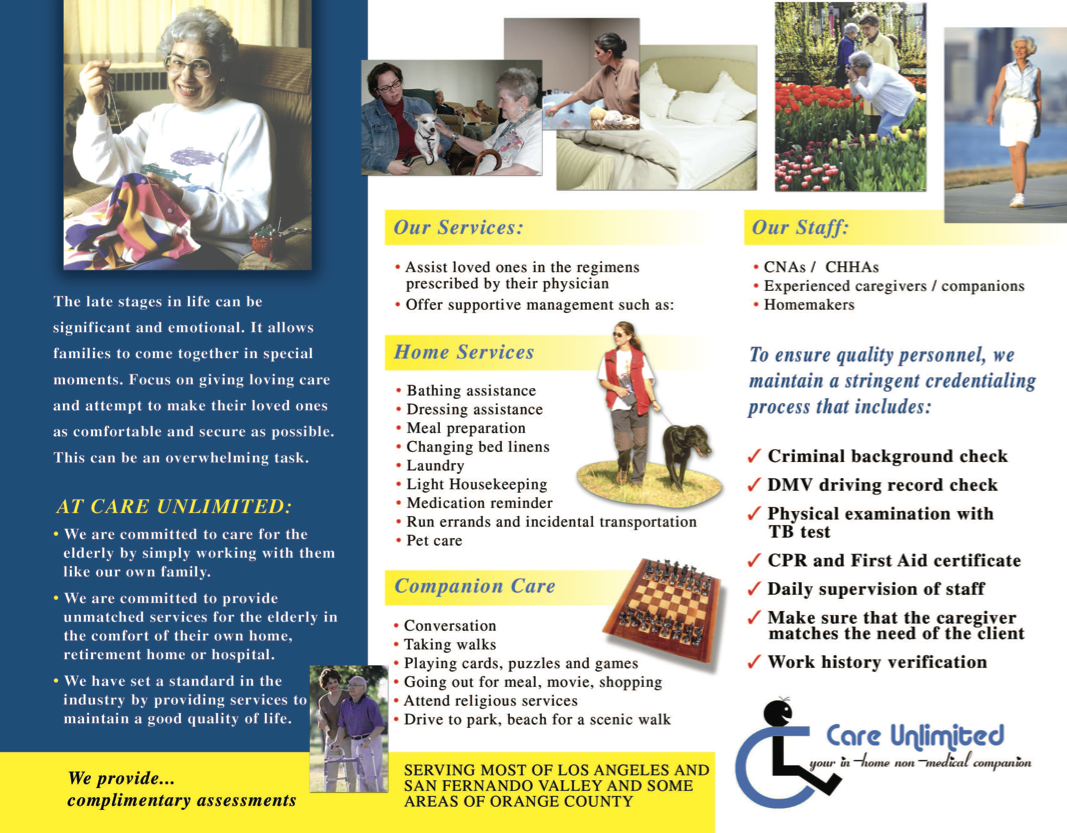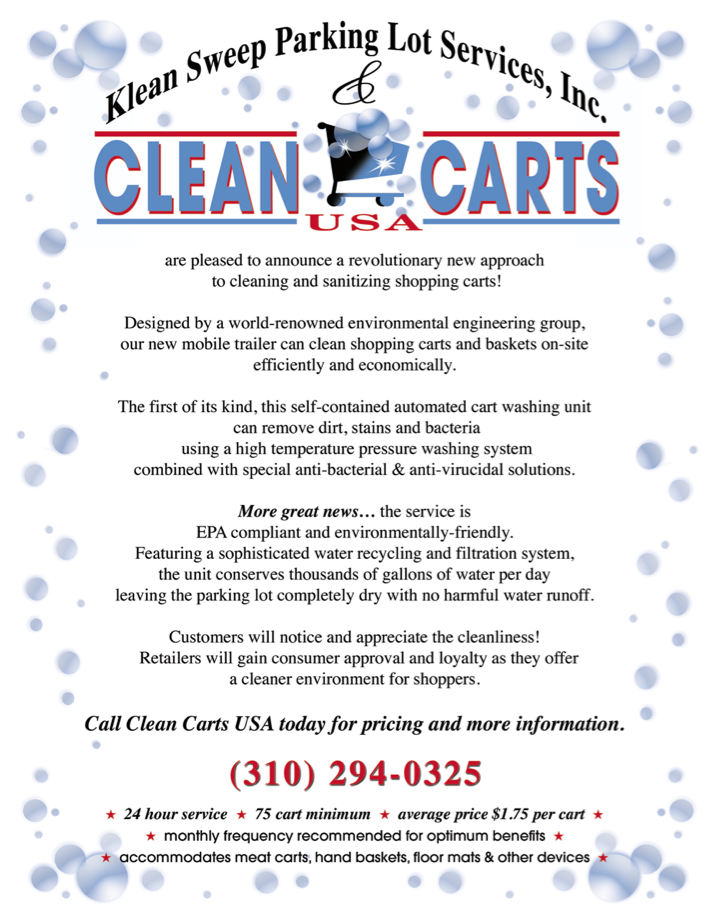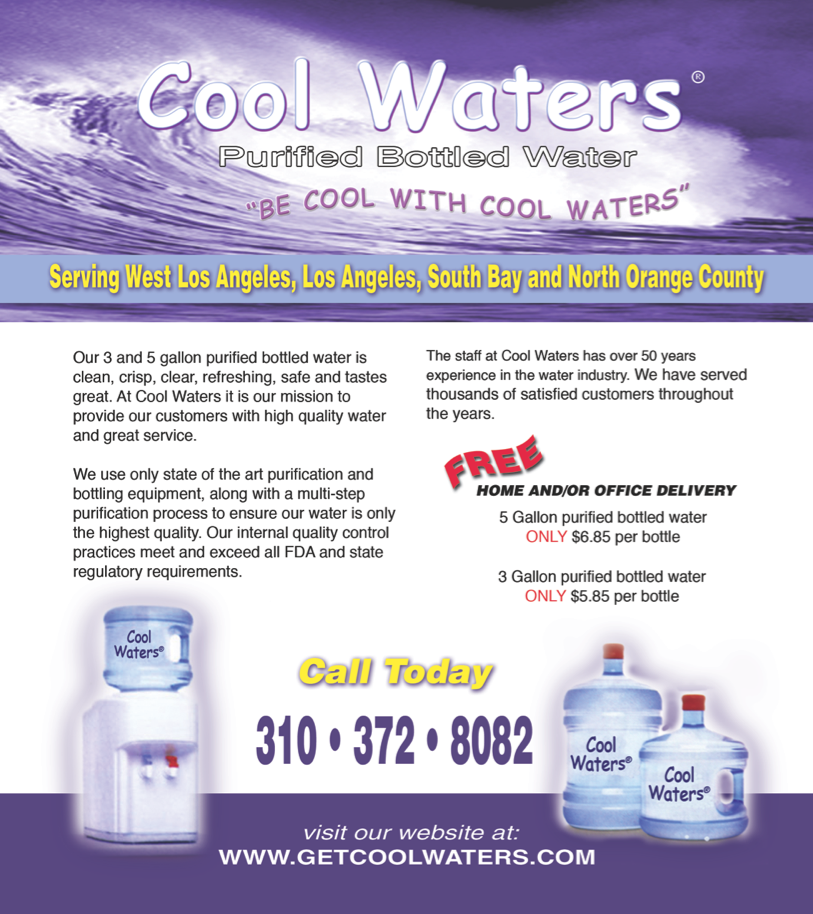
Your Brochure Must Grab Attention Immediately
The purpose of your brochure may vary from business to business. Some are designed to display services or products, whereas others are focused on selling an idea. No matter what the focus of the brochure is, it needs to be readable, intriguing, and functional. The brochure must grab a viewer’s attention and hold it long enough to deliver the pertinent information.
How do you grab your customers’ attention with just a piece of paper?
Here are some tips to keep in mind when you hire a design studio to create your brochure:
Copy or Text is the key. Anyone can write copy, but only a skilled copywriter can write easy-to-read, strong sentence structures that articulate your company’s message. Always lead with the readers’ interests: their perceived problem(s), followed by your solution. You must capture their attention immediately. Focus your brochure to your target audience.
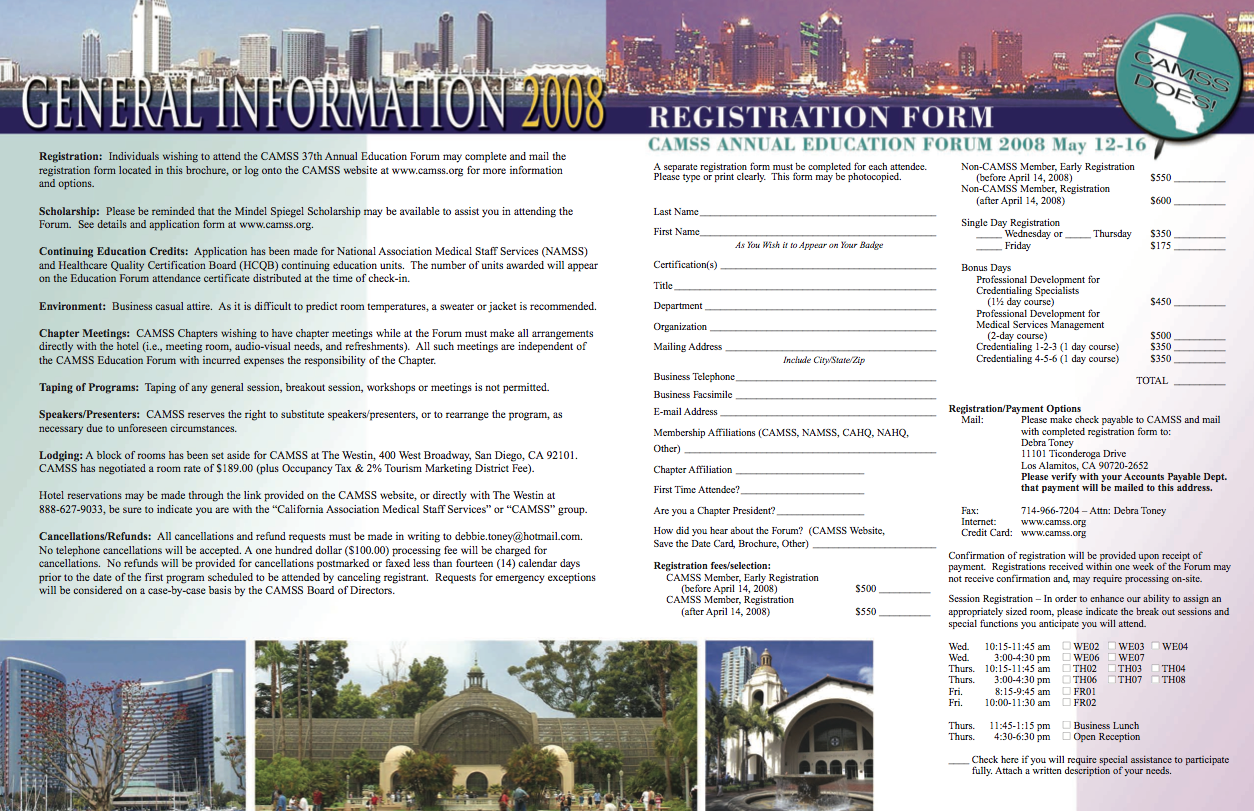
Question Everything. No matter who is writing your copy, make sure the headline on the front of the brochure is in the form of a question. This question should make the viewer want to open the brochure to learn more. Try to focus on a problem that is most common in your target industry then tie it directly to a solution you provide your clients. Don’t attempt to impress readers with big words. Use common, easy-to-understand words that won’t cause confusion. Too much text and people won’t read it: boil it down to succinct points. Communicate with images and transform text into bullets where possible.
Color Matters. Stay in tune with your corporate colors. This will help keep an overall brand image in tact as well as strengthen the brand.
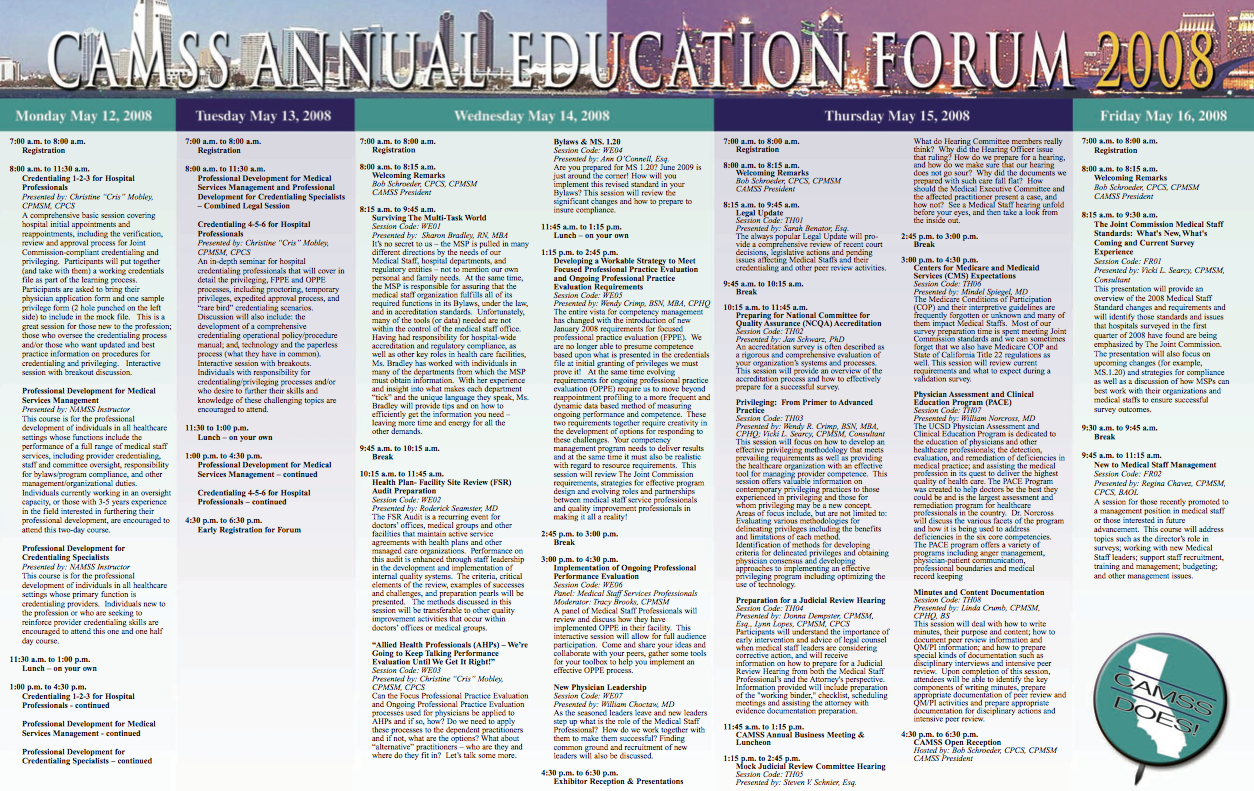
Type Issues. Typography should be relevant and thought out. Type is so strong that it can make or break a brochure. Stay away from typical fonts and try to stand out from other brochures in your field.
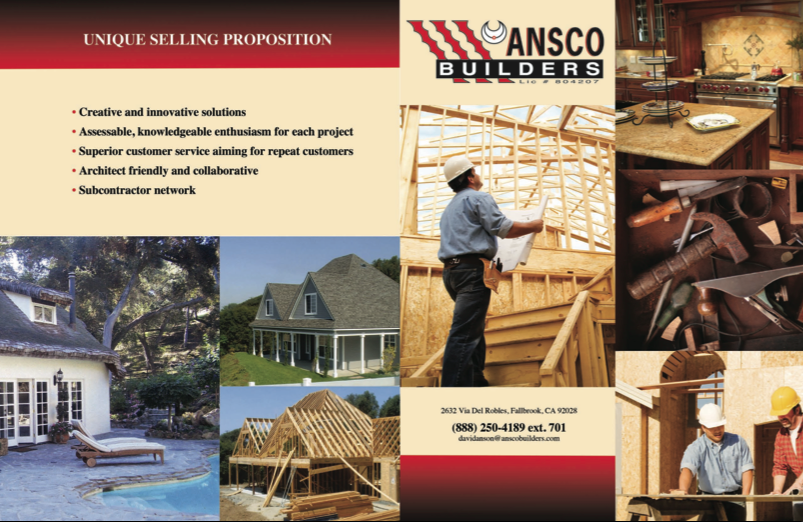
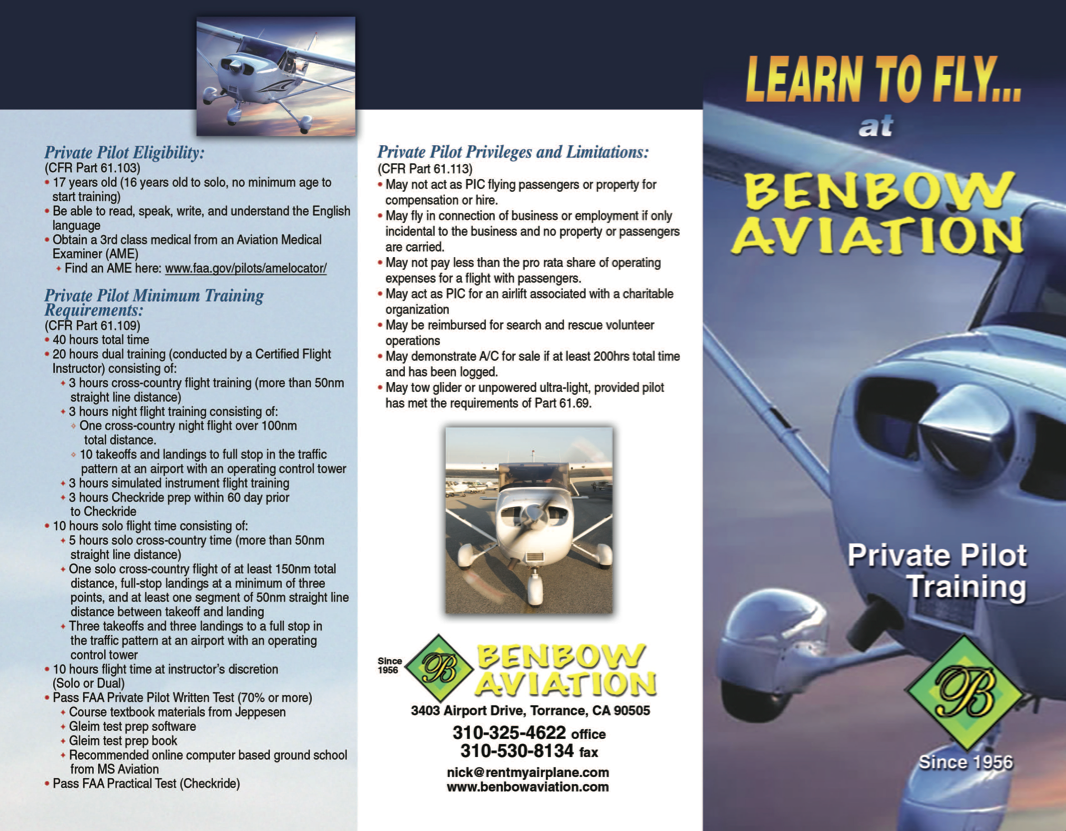
Picture This. If you do not need pictures to articulate a message, then do not use them. Most of the time people are prone to use so many pictures in a brochure, they don’t realize they are clouding their message and making their brochure ineffective. Pictures are great, especially when relevant, but they draw reader’s eyes away from the copy which you have spent so much time perfecting. So, use pictures with taste and if at all possible, don’t use them at all.
Don’t assume they’ll act. Tell readers exactly what you want them to do and entice them to do it. For example, do say: “Call today for a FREE trial/estimate/gift.”
Brochures, just like all of your marketing efforts, are very important and should not be taken lightly. 90% of the time you get what you pay for when it comes to design and printing. If you try to cut corners on your brochure you will end up spending more money down the road when you have to get it redesigned. Make sure you do it right the first time, and you will have a brochure that helps you make the biggest return on the investment.